
Get Healthy!
- Posted April 22, 2026
Hidden Belly Fat Linked to Bladder Control in Women
For many women, a sudden sneeze or a hearty laugh bring an unwelcome consequence: A small leak of urine.
Often dismissed as a normal part of aging or motherhood, new research suggests the real culprit may lie deep within the abdomen.
A study from the Federal University of São Carlos (UFSCar) in Brazil found that hidden fat stored between internal organs is a major driver of stress-induced urinary incontinence.
The research -- published recently in the European Journal of Obstetrics & Gynecology and Reproductive Biology -- suggests that where a woman carries her weight matters far more than the number on the scale.
Stress urinary incontinence occurs when everyday actions like coughing, lifting or exercising put too much pressure on the bladder, causing urine to leak.
“It’s that urinary leakage that occurs when pressure inside the abdomen increases and the pelvic floor can’t hold it in,” Patricia Driusso said in a news release. She’s a professor of physical therapy at UFSCar.
For the study, 99 women underwent DXA scans, a standard imaging test that measures body composition and shows fat regions. Their average age was 34; none had delivered more than two children.
While general obesity is a risk for urinary incontinence, visceral fat was a key contributor and posed a particular risk, the study found.
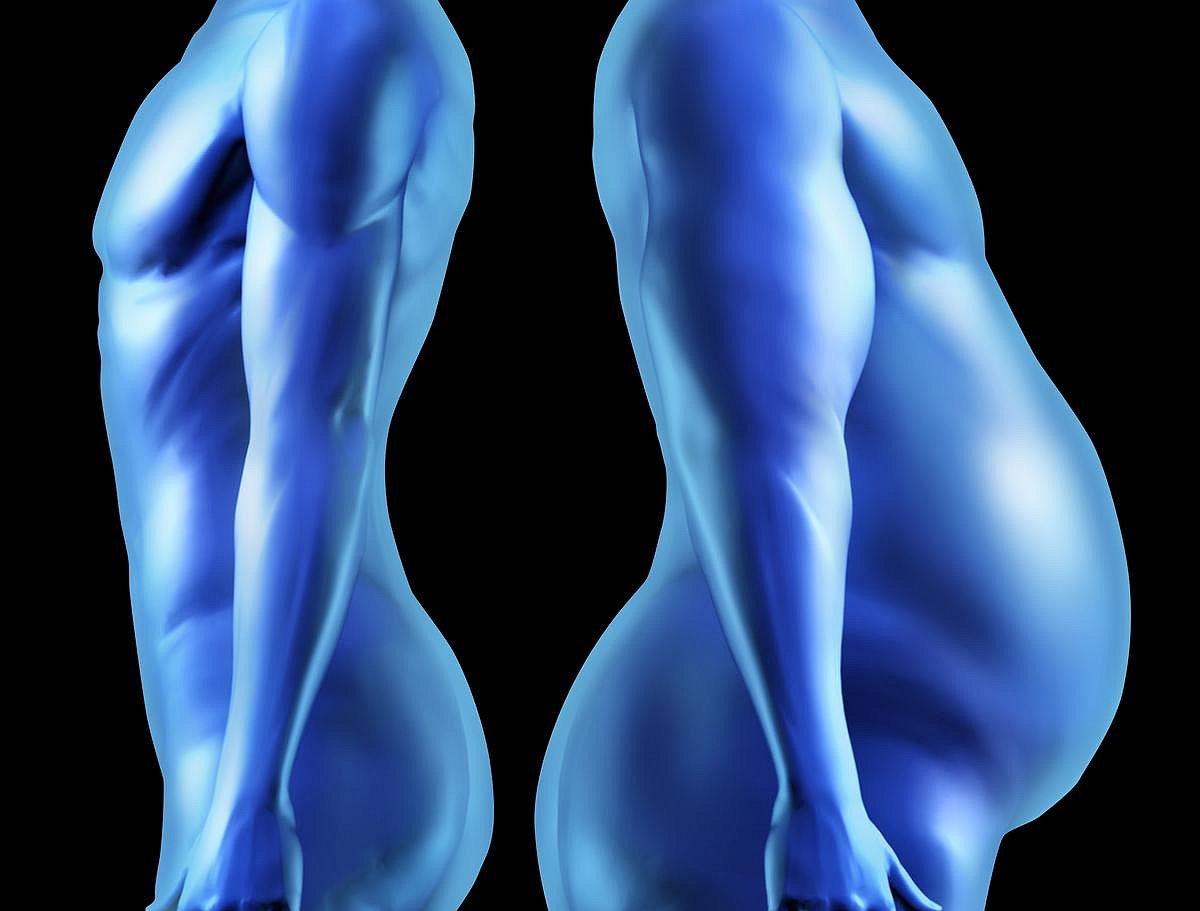
Visceral fat is like fluffy pillows that surround abdominal organs. Depending where it lies, it can create pressure and increase stress on the muscles that help control the bladder and bowels.
It increased the likelihood of leakage by 51%, the study found, even in women with a normal BMI. (BMI, shorthand for body mass index, is an estimate of body fat based on height and weight.)
Higher levels of visceral fat were also linked to a 16% increase in urinary discomfort and 9.3% increase in impact on daily activities for women with incontinence.
Why? Researchers cited two reasons.
For one, the weight of abdominal fat overloads pelvic floor muscles. For another, visceral fat releases inflammatory chemicals that can weaken muscle tissue over time.
The study found that nearly 40% of participants experienced leakage, yet many women see it as a normal inconvenience. Experts said even minor incidents are a sign that the body's support system is struggling.
The study also linked fat accumulation around the hips, buttocks and thighs to urinary incontinence. Other factors affecting risk include aging, menopause, number of pregnancies and delivery care such as episiotomies.
Researchers said leakage is both preventable and treatable. While weight management helps reduce the internal pressure, physical therapy focused on the pelvic floor is considered the most effective treatment, Driusso said.
However, it isn’t as simple as doing random kegels at your desk. Researchers said that about 30% of women cannot contract these muscles correctly without professional guidance, and some may even perform the movement backward, which can make the problem worse.
With proper training, most women see a dramatic improvement in about 12 weeks, researchers said.
More information
The U.S. Office on Women's Health has guidance on pelvic floor health and bladder control.
SOURCES: Federal University of São Carlos, news release, April 17, 2026; European Journal of Obstetrics & Gynecology and Reproductive Biology, Jan. 19, 2026


